VoiceisolatorAI Studio
Isolate a voice
English

Listening guide

Voice isolator examples online for real recordings

These voice isolator examples online show how different recordings call for different decisions. Start with the sound you have, decide what speech you need to keep, and compare the result against the original before using it.

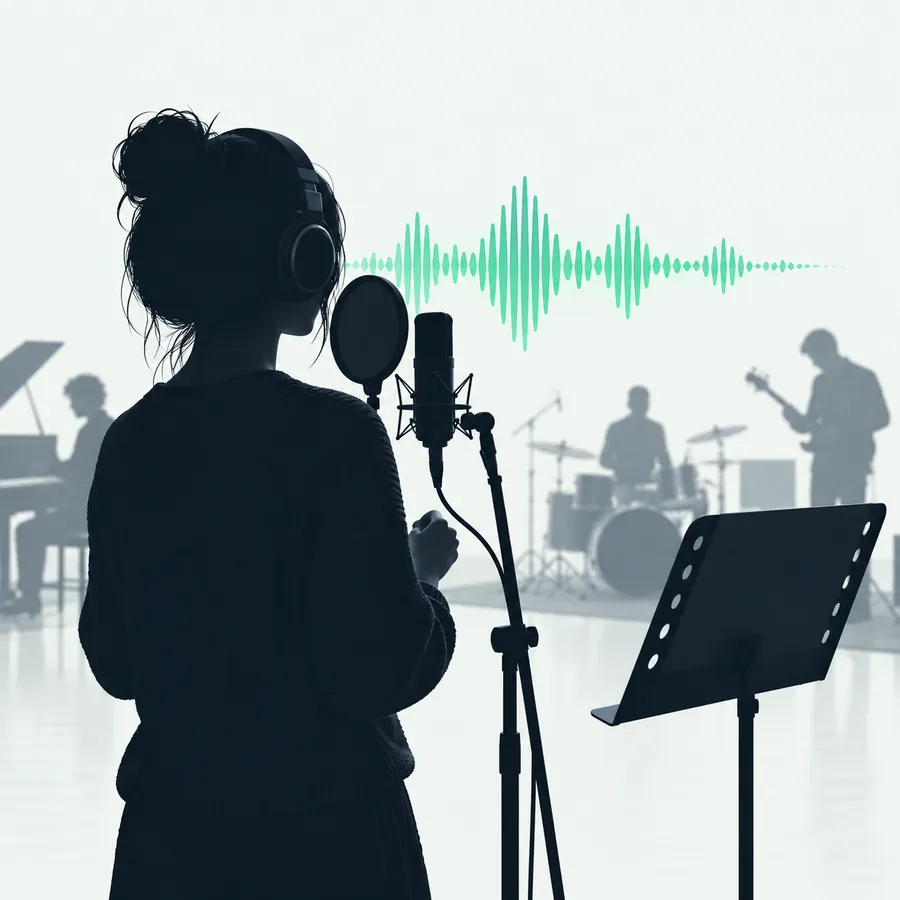
Illustration of a voice-isolation workflow

the audience's existing pipeline

Most people already have a recording and a destination for it. A voice isolator fits between those two points; it does not replace careful recording or a final listen.

Video editor

A presenter speaks over traffic and room sound in an existing clip. The editor first checks that the spoken words are audible in the original, then works from the clip's audio rather than treating the picture as something the voice isolator can improve.

Aim for a clearer dialogue track, then put it back in sync with the picture. The voice isolator from video guide describes that handoff and why the edited clip still needs a playback check.

voice isolator from video

Mobile recorder

An interview was captured on a phone near fans and passing conversations. Before processing, the recorder saves the original and identifies a short passage where both the speaker and the interference can be heard.

Compare that passage on headphones before sharing the full recording. The voice isolator for android page covers a phone-first route when the source file is still on the device.

voice isolator for android

Podcast producer

A remote guest has steady ventilation noise beneath speech. The producer checks whether the noise is continuous or whether other voices overlap the guest; those are different problems for a voice isolator.

Keep an untouched copy for comparison and assess the guest's consonants, pauses, and breath sounds. The guide on how to isolate a voice from background noise gives a practical listening sequence.

how to isolate a voice from background noise

where we slot in

Choose the job before judging the result. A voice isolator can prioritize speech, but the useful output depends on what else you need to retain.

When

Speech must remain understandable while steady noise is reduced.

Then

Compare the original and isolated speech at the same listening volume.

A louder result can seem clearer even when the voice isolator has removed quiet syllables. Listen for word endings and changes in tone, not just a quieter gap between sentences.

When

Another person speaks at the same time as your subject.

Then

Test a short overlapping passage before processing the whole file.

Both speakers occupy similar vocal territory. Separation may leave pieces of the other voice or weaken the one you want, so an online example with simple background hum is not a reliable prediction.

When

Music or ambience belongs in the finished edit.

Then

Keep the original mix alongside any isolated voice track.

An isolated track is useful for editing dialogue, but it may sound unnatural alone. Blending it cautiously with the original can preserve the setting without putting the noise back at full strength.

before/after

Use the same short passage for both sides of a comparison. The images below illustrate three input situations; they are not playable audio samples or measured results.

scroll
  1. Illustration accompanying an example of speech recorded with steady background noise 1 Steady noise
    Input: one speaker with a constant fan behind them. Before: the fan competes with softer words. After: judge whether the speech is easier to follow without losing its natural pauses; the image is illustrative, not an audio preview. Listening check: quiet syllables and pauses
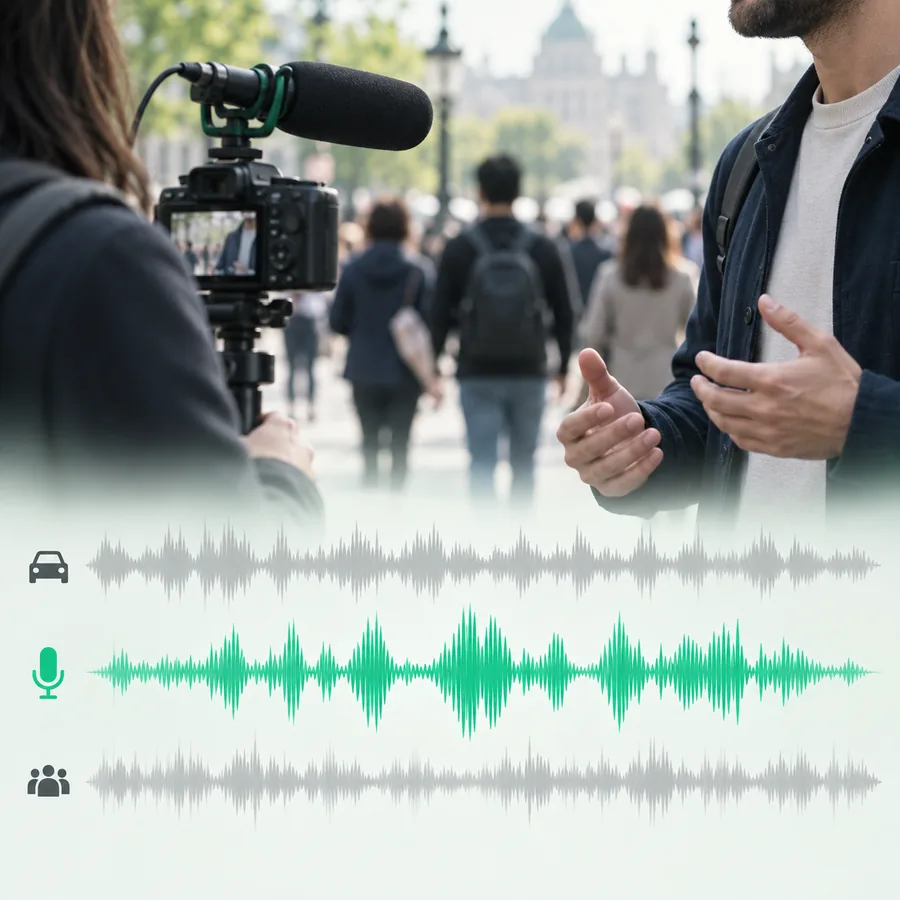
  2. Illustration accompanying an example of dialogue recorded for video 2 Video dialogue
    Input: dialogue from a video clip with changing street sound. Before: passing noise briefly masks phrases. After: compare those same phrases and check synchronization when the processed voice returns to the edit. Listening check: masked phrases and sync
  3. Illustration accompanying an example of an interview with overlapping voices 3 Interview
    Input: an interview in which a second person occasionally talks over the subject. Before: both voices share a moment. After: listen for fragments of either speaker; a voice isolator cannot be judged by silence between turns alone. Listening check: overlapping words

deliverable spec

Keep the original. Judge the voice.

A useful deliverable is a speech track you can compare with its source, not an unsupported promise of perfect silence. Test a representative passage first, listen at matched volume, and keep the original recording available for the final edit. The Voiceisolator workflow gives you a place to try your own material rather than assuming an illustrated example will match it.

Try voice isolation
  • Check the same words before and after
  • Listen for missing syllables and vocal artifacts
  • Review the result in its intended video or audio mix

scenario FAQ

Look for a before-and-after comparison of the same passage at a similar listening volume. Check whether words become easier to understand without clipped consonants, metallic tones, or missing breaths. An image of a waveform alone cannot tell you how the audio sounds.

Not necessarily. A steady hum and a changing crowd present different challenges, especially when other people speak over your subject. Try a short section of your own recording that includes the hardest noise before deciding whether the output is useful.

Yes, if the example includes audio you can hear and you compare the same dialogue before and after. For your own video, also check that the processed speech remains synchronized when returned to the picture. These illustrated scenarios are listening guides, not playable demonstrations.

Less background sound does not automatically mean better dialogue. Compare the result with the original at matched volume and listen for lost low notes, softened consonants, or unnatural gaps. Keeping some of the original sound in the finished mix may serve the recording better.

Only if they include a genuinely comparable overlap and audible before-and-after clips. Two voices can interfere with each other in ways that steady background noise does not. Test the overlapping passage itself and expect to review any remaining fragments by ear.

Isolate a voice
Isolate a voice